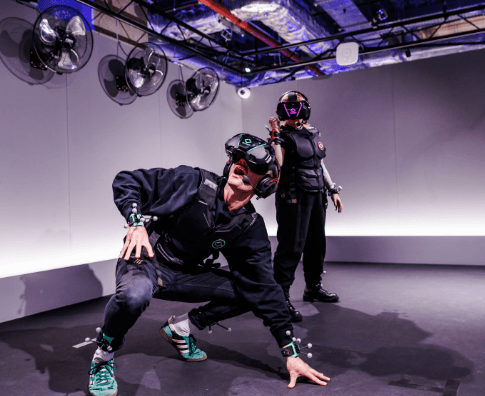
Immersive VR gaming centers on coherent perception, precise motion, and meaningful feedback. The experience hinges on perceptual fidelity, low latency, and responsive haptics that align with player intent. Designers optimize timing, comfort, and accessibility to sustain presence within safe, modular worlds. Spatial sound and breathing latency reduce fatigue, guiding interactions with believable accuracy. The result is a believable virtual envelope that invites exploration, experimentation, and sustained engagement—yet the balance is delicate, urging ongoing attention to evolving constraints and opportunities.
What Immersion in VR Really Means for Gamers
Immersion in VR for gamers hinges on the seamless integration of perception, presence, and interaction. The experience is defined by coherent sensory input, intuitive control schemes, and meaningful feedback loops.
Immersive storytelling shapes intent and motivation, while sensory engineering calibrates fidelity to reduce fatigue. Users gain freedom through consistent, trustworthy environments that support exploration, experimentation, and sustained engagement without distraction or dissonance.
Core Technologies Driving True Presence in VR
Core technologies that enable true presence in VR converge from perceptual fidelity, precise motion tracking, and responsive haptics to form a coherent, believable virtual envelope. Immersive latency, refined spatial soundscape, motion sickness mitigation, and purpose built haptics synchronize perception and action, enabling user agency. This technical foundation supports a freedom-oriented experience that remains comfortably grounded in the user’s perceptual reality.
Best Practices to Build Immersive VR Experiences
How can developers translate perceptual fidelity into a stable, user-centered VR experience? Designers implement immersion design through calibrated feedback loops, latency reduction, and consistent spatial cues. They prioritize sensory fidelity—matching visuals, audio, and haptic timing to user expectations—while preserving comfort, accessibility, and autonomy. Clear constraints, modular systems, and iterative testing sustain freedom without sacrificing reliability or immersion.
Evaluating Platforms, Controllers, and Haptics for Depth
The assessment emphasizes platform latency and haptic feedback as core metrics, balancing visual fidelity, motion accuracy, and latency-induced discomfort.
Engineers prefer modular testing, clear benchmarks, and real-world simulations, enabling flexible, freedom-loving users to anticipate immersive depth without compromising reliability or safety.
See also: Immersive Learning Through Technology
Frequently Asked Questions
What Are the Long-Term Health Considerations for VR Gaming Use?
Long-term health considerations include cumulative VR ergonomics effects, notably neck strain and posture fatigue, with risk mitigation through adjustable headsets, frequent breaks, and ergonomic setups; long-term health depends on mindful usage, vibration exposure limits, and personalized, user-centric guidelines.
How Does VR Affect Spatial Awareness Outside the Headset?
A notable 23% improvement in real-world spatial tasks correlates with VR navigation training, even when not wearing the headset. It fosters outside-in tracking benefits, where proprioceptive cues support smoother movement and reduced collision risk in daily environments.
Can VR Gaming Reduce Motion Sickness for Beginners?
VR can reduce motion sickness for beginners with gradual VR acclimation and comfort tweaking, enabling smoother adaptation. This approach emphasizes user-centric calibration, ongoing monitoring, and technical adjustments to foster confident exploration and a sense of freedom during play.
What Budget Options Still Offer Compelling Immersion in VR?
Budget options include standalone headsets and adaptive framerates enabling budget immersion; these afford practical immersion without premium rigs, balancing performance, comfort, and freedom. They offer accessible, user-centric experiences while preserving technical fidelity and responsive tracking.
How Do Developers Sell VR Experiences to Non-Gamers?
Developers frame VR as transformational, juxtaposing ordinary life with immersive possibility, then articulate sales messaging that emphasizes accessibility features, intuitive setup, and practical outcomes, guiding non-gamers toward freedom through low-risk, clearly explained, user-centric experiences.
Conclusion
In this detached third-person view, the verdict is pragmatic: immersive VR hinges on a precise blend of perceptual fidelity, fluid motion tracking, and responsive feedback. When latency fades, tracking becomes a trusted ally, and haptics mirror action with convincing texture, players feel truly present. The result is a coherent, modular ecosystem that invites safe exploration and meaningful interaction. Like a compass for the mind, immersion points the way to deeper engagement and shared, memorable experiences.
