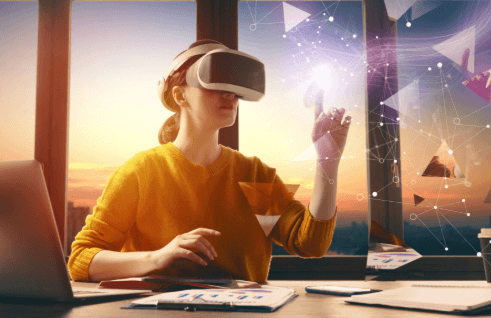
Immersive learning leverages VR, simulations, and interactive narratives to place learners in authentic tasks. It relies on robust hardware, analytics, and scalable software ecosystems to provide contextual feedback and rehearsal aligned with objectives. Designs connect cognitive processes to practical goals, while evaluation and professional development support scalable, learner-centered outcomes across settings. The approach balances cost, time, and engagement, raising questions about implementation, equity, and long-term impact that invite further examination.
What Immersive Learning Is and Why It Works
Immersive learning refers to instructional experiences that place learners inside realistic tasks and environments, using technologies such as virtual reality, simulations, and interactive narratives to engage cognitive processes more deeply than traditional methods.
This approach aligns with immersive pedagogy, leveraging contextual feedback and experiential rehearsal to strengthen retention.
From a learning psychology perspective, motivation increases, and transfer improves when agency and meaningful goals are embedded.
Core Technologies Powering Immersive Learning
Core technologies underpinning immersive learning include hardware-capable platforms, software ecosystems, and data-enabled feedback loops.
The analysis highlights VR ecosystems as integrative environments where content, user input, and analytics converge, enabling scalable experiences.
Haptic feedback enhances sense immersion and task realism, informing iterative improvement.
Practical deployment emphasizes interoperability, standards, and measurable outcomes, ensuring adaptable, learner-centered progress within diverse educational contexts.
Designing Effective Immersive Learning Experiences
Effective design for immersive learning centers on aligning learning objectives with immersive mechanics, ensuring that each interaction directly supports measurable outcomes. Designers map goals to experiences, selecting neural feedback and haptic pedagogy to reinforce intuition and skill transfer. Clarity guides structure, enabling learners to explore freely within safe constraints, while analytics reveal correlations between actions and mastery, informing iterative refinements.
Measuring Impact and Scaling Across Classrooms
The analysis emphasizes robust impact evaluation methods, including control considerations and longitudinal tracking.
Scale strategies focus on reproducibility, resource alignment, and professional development.
Findings guide selective expansion, ensuring fidelity while optimizing cost, time, and learner engagement across diverse educational contexts.
See also: Immersive Multiplayer Experiences
Frequently Asked Questions
What Are the Cost Considerations for Implementing Immersive Learning?
Implied costs include initial setup, hardware scaling, and ongoing maintenance; a cost-benefit analysis weighs training impact against software, devices, and support. Organizations consider scalability, licensing, and depreciation to justify investments within strategic budgets.
How Do We Ensure Accessibility for All Students?
Accessible design principles ensure universal access by accommodating diverse needs, settings, and devices. An analytical approach weighs inclusive design trade-offs, testing with diverse users, and implementing adaptive interfaces, clear navigation, and alternative formats to guarantee equitable participation.
What Training Do Teachers Need for Adoption?
Training needs for teachers center on workflow integration, assessment alignment, and ongoing support; adoption challenges include time constraints and tech variability. Analysts emphasize concise planning, practical resources, and scalable professional development to enable autonomous, sustained classroom use.
How Is Data Privacy Managed in Immersive Tools?
Data privacy is managed through strict access controls, encryption, and clear data minimization in immersive tools. As a bookmark: 70% of schools report manageable costs with pilot programs. This informs cost considerations, adoption, and classroom management for accessible, teacher-led implementation.
What Are Best Practices for Classroom Management With Tech?
Classroom management with tech centers on consistent routines and device etiquette; educators establish clear expectations, monitor usage, and integrate purposeful tasks. Routine-based momentum reduces distractions, while policy-driven boundaries empower students to learn freely within structured digital environments.
Conclusion
Immersive learning integrates realistic task contexts with experiential rehearsal, yielding deeper cognitive processing and durable skill transfer. The approach hinges on accessible hardware, cohesive software ecosystems, and rigorous analytics to tailor feedback and measure progress. A common objection—cost and implementation effort—is mitigated by scalable designs, professional development, and data-driven prioritization of high-impact experiences. When thoughtfully applied, immersive learning aligns neural engagement with actionable outcomes, enabling scalable, learner-centered improvement across diverse classrooms without sacrificing practicality.
