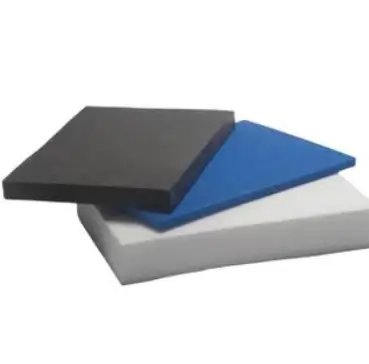
Among the various foam materials used across packaging, cushioning, and industrial applications, open cell PE foam offers a distinct set of properties that make it particularly well suited to certain use cases. Understanding these characteristics helps buyers determine whether this material fits their specific application needs.
What Distinguishes Open Cell Structure
Unlike closed cell foam, where individual gas bubbles are fully enclosed and isolated from one another, open cell polyethylene foam features interconnected cell structures that allow air and, in some cases, liquids to pass through the material. This structural difference significantly affects the foam’s compressibility, breathability, and moisture behavior.
Compressibility and Cushioning Characteristics
The interconnected cell structure of open cell PE foam typically gives it a softer, more compressible feel compared to closed cell alternatives, making it a popular choice for cushioning applications where a softer touch and greater conformability are priorities.
Breathability Advantages in Certain Applications
Because air can pass through the open cell structure, this foam type offers breathability advantages in applications like certain furniture cushioning or specialized packaging where trapped air or moisture buildup would otherwise be a concern.
Moisture Absorption Considerations
The same open cell structure that provides breathability also means this foam type can absorb and retain moisture more readily than closed cell alternatives, which is an important consideration for applications involving potential water exposure.
See also: Immersive Learning Through Technology
Common Industry Applications
Open cell PE foam finds application across furniture cushioning, certain packaging applications prioritizing softness over moisture resistance, and various industrial gasket or sealing applications where its compressibility offers practical advantages.
Comparing Foam Options for Your Application
Buyers evaluating foam materials for a specific project can review the specifications and grades available through an open cell PE foam supplier to compare density, compressibility, and application suitability.
Density Options and Performance Trade-offs
Open cell PE foam is available across a range of densities, with higher density options generally offering improved durability and support at the expense of some softness, giving buyers flexibility to match density selection to their specific performance priorities.
Frequently Asked Questions
Is open cell PE foam suitable for outdoor or wet environment applications? Generally not ideal, since its open cell structure allows moisture absorption; closed cell foam alternatives are typically better suited to applications with significant moisture exposure.
How does open cell foam compare to closed cell foam for cushioning applications? Open cell foam typically offers a softer, more compressible feel, making it popular for cushioning applications where comfort and conformability are prioritized over moisture resistance.
Does higher density open cell foam always perform better? Not universally; higher density options generally offer more durability and support, but this comes with reduced softness, so the ideal density depends on the specific application’s performance priorities.
Final Thoughts
Open cell PE foam offers valuable cushioning and breathability properties suited to specific applications where these characteristics outweigh potential moisture absorption concerns. Understanding these trade-offs helps buyers select the most appropriate foam material for their particular use case.
