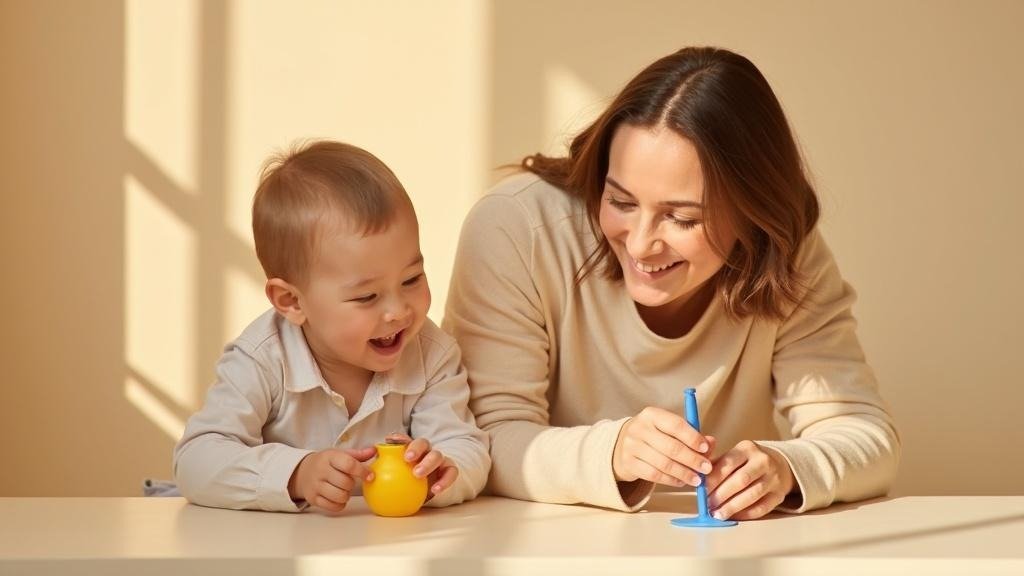
Most parents searching for speech apps end up buried in a pile of flashcard-style drill tools that look educational but feel like homework. The category is dominated by repetition-based exercises that work fine for some kids and completely fall apart for others, especially younger children or those with sensory or attention differences. Before picking anything, it helps to know what you actually need.
How to Choose: Questions Before You Download
What kind of practice does your child need? Articulation work (specific sounds like /r/ or /s/) calls for different tools than general vocabulary building or fluency practice. Some apps target one; some attempt all three.
For outside context, see this asha.org.
How old is your child, and can they read? Several well-regarded apps require reading prompts or tapping through menus. That rules them out completely for kids under five or pre-readers.
Is your child working with an SLP? If yes, the app should produce something a therapist can actually use, like a report or sound-target log, not just a score screen. If no formal therapy is in the picture, the app carries more weight and its feedback quality matters more.
What is your child’s regulation profile? A child who shuts down under pressure or melts at “wrong answer” screens needs something built differently from a standard quiz format.
With those filters in mind, here are five options worth knowing about.
See also: Immersive Learning Through Technology
1. Speech Blubs
Speech Blubs is one of the more widely known options in this space, and for good reason. It uses voice-activated activities, meaning a child has to actually speak to move through the content, not just tap. There are over 1,500 activities covering categories relevant to apraxia, autism, ADHD, and general speech delay. Pricing sits at roughly $14.49 per month, $59.99 per year, or $99.99 as a one-time lifetime purchase.
The video modeling feature is a genuine standout. Kids watch real children and animated characters produce sounds, then mirror them. For younger children who learn through imitation, that format clicks faster than written instructions ever could. The app does not replace clinical guidance, but parents working alongside a therapist often find it useful for between-session practice.
2. Articulation Station (Little Bee Speech)
Built by licensed speech-language pathologists, Articulation Station is the closest thing to a clinical drill set you can put on a tablet. It covers more than 1,200 target words organized by sound position (initial, medial, final) and includes word, phrase, and sentence-level practice for each phoneme.
A permanent, pay-once license for the Pro version costs around $59.99. That is a real number worth knowing because most competitors charge monthly. For families who need articulation-focused work and already have SLP guidance on which sounds to target, this is a highly specific, well-organized tool. It is not designed to be playful or emotionally adaptive. It is designed to be correct and thorough.
3. Otsimo
Otsimo was built specifically for children with autism, apraxia, Down syndrome, and non-verbal communication challenges. The AI feedback mechanism gives kids responses to their actual voice input, not just button presses. There are over 200 exercises, and pricing is accessible at roughly $6.99 per month or about $4.49 per month on an annual plan, with a lifetime option around $115.99.
Where Otsimo differs from general articulation apps is in its AAC-adjacent design philosophy. It takes non-verbal or minimally verbal kids seriously as users. The interface is built for lower cognitive load. Parents of children who have bounced off busier, text-heavy apps often land here and find it fits better.
4. Tactus Therapy Apps
Tactus Therapy is a suite of individual clinical apps rather than one platform. Each app targets a specific area, ranging from naming and reading to articulation and conversation, and they price individually from roughly $9.99 up to $99.99. They are evidence-informed and used by SLPs in clinical settings.
For most families with a child under eight, Tactus is probably overkill unless a therapist has recommended a specific app in the suite. Where it earns its place on this list is for older children, kids in teletherapy, or parents who want something that mirrors what happens in actual sessions. Apps like Little Words, which takes a companion-based conversational approach with mood check-ins and sensory presets, sit at the opposite end of the design spectrum from Tactus, and knowing both ends helps you find the middle.
5. Working Directly With a Licensed SLP, In the Room or Online
This belongs on any honest list of speech practice options. It is not an app, obviously, but skipping it would be misleading.
A licensed speech-language pathologist does things no app does. Differential diagnosis. Dynamic assessment. Real-time adjustment based on a child’s motor patterns, not just their audio output. Services like Expressable offer teletherapy that removes geography as a barrier. ASHA’s website (asha.org) has a free therapist locator.
Apps work best as practice between real sessions, not as replacements for them. That is true regardless of how good the app is. The honest ceiling on any speech practice tool is “useful supplement,” and that ceiling applies everywhere in this category.
A Note Before You Decide
Nothing in this article constitutes clinical advice, and no app reviewed here is a medical device or diagnostic tool. Recommendations from a child’s own SLP should always take priority over any general list. Prices listed reflect publicly available information as of early 2026 and may have changed.
Sources
- American Speech-Language-Hearing Association (ASHA): asha.org
- Speech Blubs official pricing page (speechblubs.com)
- Little Bee Speech / Articulation Station app store listings (Apple App Store and Google Play)
- Otsimo official site (otsimo.com)
- Tactus Therapy Solutions (tactustherapy.com)
- Expressable teletherapy service (expressable.com)
