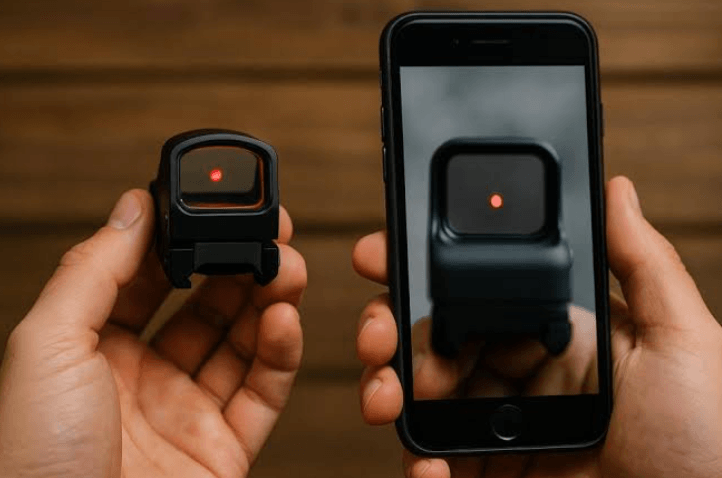
As brands mature within the shooting sports accessory market, many move beyond reselling generic catalog products toward developing their own distinctive offerings. Understanding the landscape of wholesale custom red dot sight development helps brand owners navigate this transition more effectively.
Why Brands Move Toward Custom Development
Differentiating in a Crowded Market
Generic, widely available red dot sights make it difficult for individual brands to build meaningful differentiation or command premium pricing. Custom development allows brands to create distinctive products that better reflect their specific brand identity and target customer needs.
Building Stronger Margin Structures
While custom development typically requires greater upfront investment, brands often achieve stronger long-term margins compared to reselling widely available generic products, since custom products face less direct price comparison from competitors.
Understanding the Custom Development Process at Wholesale Scale
Balancing Customization With Minimum Order Requirements
Custom development typically involves minimum order quantities that reflect the tooling and setup investment required. Brands should carefully evaluate whether anticipated sales volume justifies this initial commitment before proceeding with custom development.
Timeline Expectations for Custom Wholesale Orders
Custom product development generally requires longer lead times than ordering existing catalog products, encompassing design finalization, prototyping, tooling, and initial production, all of which brands should factor into their launch timeline planning.
Key Customization Options Available to Brand Partners
Housing Design and Branding Elements
Many manufacturers offer customization options ranging from simple logo engraving on existing housing designs to fully custom housing shapes and configurations, depending on a brand’s specific differentiation goals and budget.
Reticle Pattern Customization
Some brands choose to develop distinctive reticle patterns as a point of differentiation, requiring collaboration with manufacturing partners who have genuine reticle design and calibration expertise.
Packaging and Presentation Customization
Beyond the product itself, custom packaging design contributes significantly to overall brand presentation and retail shelf appeal, representing an important complementary customization consideration alongside the physical product itself.
Evaluating Manufacturing Partners for Custom Wholesale Projects
Assessing Genuine Customization Capability
Not all manufacturers offering customization services provide the same depth of genuine engineering flexibility. Brands should clearly understand exactly what level of customization a potential partner can realistically support before beginning development.
Reviewing Previous Custom Project Examples
Requesting examples of previous custom projects a manufacturer has completed for other brand partners provides useful insight into their genuine customization capabilities and quality standards.
Brands exploring custom development options can review available capabilities through wholesale custom red dot sight resources detailing customization services and processes.
See also: How Entrepreneurs Can Build Lasting Businesses
Managing the Financial Investment in Custom Development
Understanding Tooling Cost Amortization
Tooling costs associated with custom housing designs are typically amortized across initial production orders, meaning brands should understand exactly how these costs are structured before committing to a custom project.
Planning for Reorder Economics
Understanding how pricing changes on subsequent reorders, after initial tooling investment has been made, helps brands plan realistic long-term cost projections for their custom product line.
Quality Assurance for Custom Products
Establishing Testing Protocols for New Designs
Custom products, particularly those involving new engineering elements, should undergo the same rigorous testing protocols applied to standard catalog products before full-scale production begins.
First Article Inspection Importance
Thorough first article inspection before full production commences allows brands to identify and correct any issues while they remain relatively inexpensive to address, rather than after they have multiplied across a large production run.
Frequently Asked Questions
How much does custom red dot sight development typically cost compared to reselling existing products? Custom development typically involves higher upfront investment, primarily related to tooling and design costs, though this investment can support stronger long-term margins and brand differentiation.
What is a realistic timeline for custom red dot sight development? Timelines vary based on design complexity, but brands should generally plan for several months from initial concept through production-ready products.
Can brands start with simpler customization before pursuing fully custom housing designs? Yes, many brands begin with simpler customizations like logo engraving or color options before investing in more extensive custom housing development as their business matures.
Conclusion
Wholesale custom red dot sight development offers meaningful opportunities for brands seeking genuine market differentiation, provided they approach the process with realistic expectations around investment, timelines, and manufacturing partner capabilities. Careful planning and thorough partner evaluation support more successful custom development outcomes.
