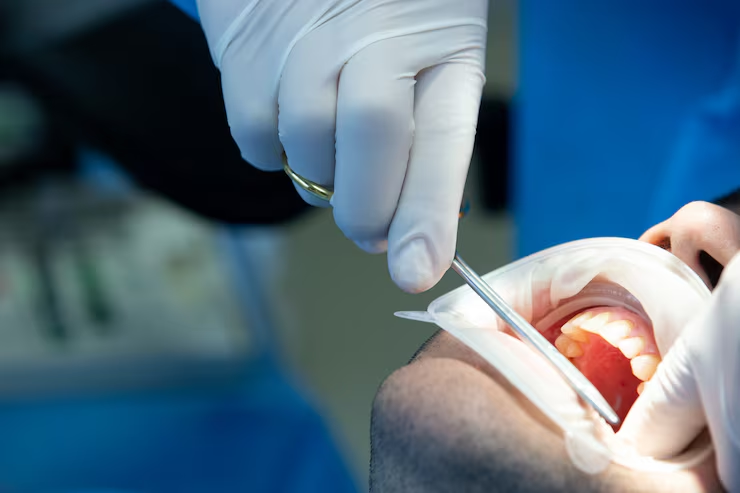
Losing bones around a tooth can make it harder to maintain a healthy, stable smile. Bone regeneration for teeth may involve regenerative materials designed to support the body’s natural healing process, and platelet-rich fibrin (PRF) is one option periodontists may use alongside other regenerative techniques. PRF contains concentrated platelets and healing-related proteins that may support tissue repair and bone formation. At Cape Cod Perio, regenerative treatment is planned based on the condition of the gums, bone, and affected teeth.
PRF does not simply replace missing bones. Instead, it may provide a biologically active framework that supports healing in a carefully prepared treatment site. Its usefulness depends on factors such as the amount and pattern of bone loss, the health of the surrounding tissues, and the type of periodontal defect being treated.
What Is PRF in Periodontal Treatment?
Platelet-rich fibrin is a blood-derived material prepared from a patient’s own blood. A small blood sample is processed so that platelets, fibrin, white blood cells, and various naturally occurring growth factors become concentrated within a fibrin matrix.
The fibrin structure gives PRF a three-dimensional framework that can remain within the treated area and gradually release biological components involved in healing. This makes PRF different from a simple liquid preparation because the fibrin matrix can provide a physical structure as tissues repair.
Periodontists may use PRF as an adjunct during procedures involving gum and bone defects. It can be placed alone in selected situations or combined with other regenerative materials, depending on the clinical objective.
How Bone Loss Develops Around Teeth
Periodontal disease is one of the common causes of bone loss around teeth. As inflammation persists around the gums, the tissues supporting the teeth can gradually deteriorate. The periodontal ligament and surrounding bone may become damaged, creating deeper spaces between the tooth and gum.
Bone loss does not always occur evenly. Some defects are relatively contained around a tooth, while others involve broader areas of supporting bone. The shape and location of the defect influence the regenerative options available.
Untreated gum disease can also create an environment that makes regeneration more difficult. Bacterial plaque and calculus must be addressed, and active inflammation needs to be controlled before regenerative treatment can have a reasonable chance of success.
Can PRF Support Bone Regeneration?
PRF may support bone regeneration by creating an environment favorable to healing. The platelets and fibrin matrix contain biological components associated with tissue repair, blood vessel formation, and cellular activity.
Research has investigated PRF as an adjunct to periodontal regenerative procedures, including treatments for intrabony defects. Findings suggest that PRF may improve certain clinical and radiographic outcomes in selected situations, although results vary based on the defect, procedure, and materials used.
PRF should therefore be viewed as a supportive regenerative material rather than a guaranteed method for rebuilding lost bone. A periodontist needs to determine if the remaining bone architecture can support regeneration and which combination of techniques is appropriate.
Where PRF Fits Into Bone Regeneration Dentistry
Bone regeneration dental treatment can involve several techniques. The objective is to create conditions that allow the body to rebuild supporting structures around a tooth.
A regenerative procedure may involve removing diseased tissue and deposits from the affected area, preparing the root surface, and placing a regenerative material within the bone defect. PRF may be incorporated into this process to support healing.
Depending on the defect, a periodontist may consider PRF alongside:
- Bone graft materials that provide a framework for new bone formation
- Barrier membranes that help protect the regenerative space
- Biologically active materials designed to support periodontal regeneration
The selected technique should be based on the anatomy and severity of the defect rather than the use of PRF alone.
Why the Fibrin Matrix Matters
One of the distinctive features of PRF is its fibrin structure. Fibrin is naturally involved in blood clotting and wound healing. In PRF, it forms a matrix that contains platelets and other cellular components.
This structure can help stabilize the treatment area and provide a localized environment for healing. The material gradually breaks down as the body’s repair processes progress.
PRF also contains cells and signaling molecules involved in soft tissue and vascular healing. Better blood supply can be particularly relevant in regenerative procedures because developing tissue requires oxygen and nutrients.
The biological activity of PRF is one reason it has attracted attention in periodontal regeneration. Still, successful bone formation depends on many factors beyond the material itself.
PRF and Dental Gum Regeneration
Bone and gum tissues are closely connected. Damage to the bone supporting a tooth can occur alongside changes in the surrounding gum tissue, so treatment may address both structures.
Dental gum regeneration focuses on restoring damaged periodontal tissues rather than simply treating the visible signs of gum disease. In suitable cases, regenerative procedures aim to encourage the formation of new bone, periodontal ligament, and attachment around the tooth.
PRF may contribute to this process by supporting the healing environment. Some periodontal procedures use PRF as part of a broader regenerative protocol that addresses both soft tissue and supporting bone.
This distinction matters because removing inflammation alone does not necessarily rebuild the structures that have already been lost.
Who May Benefit From PRF-Based Regeneration?
PRF may be considered for patients with specific periodontal defects where regeneration is clinically realistic. The condition of the gums, remaining bone, tooth stability, oral hygiene, and overall treatment plan all influence the decision.
A periodontal examination generally includes measurements of gum pocket depths and an assessment of tooth support. Dental imaging can also show the amount and pattern of bone surrounding the tooth.
A favorable regenerative site typically has enough supporting anatomy to contain the regenerative material and provide a stable environment for healing. Broad or irregular bone loss may require a different treatment strategy.
PRF is not appropriate for every type of bone loss, and its use should be based on a periodontal evaluation rather than the assumption that it can rebuild any missing bone.
What Happens During a PRF Regenerative Procedure?
The process begins with evaluation and preparation of the affected area. The diseased tissue and bacterial deposits are removed, and the tooth root is carefully cleaned.
A small amount of the patient’s blood is then collected and processed to produce PRF. The resulting fibrin material is placed at the treatment site, either alone or together with another regenerative material.
The gum tissue is repositioned to protect the treated area while healing takes place. Maintaining a clean treatment site is essential because bacterial contamination can interfere with periodontal regeneration.
The exact procedure varies according to the type and location of the bone defect. A periodontist can explain the specific technique after reviewing clinical findings and imaging.
See also: How Entrepreneurs Can Build Lasting Businesses
Factors That Influence Bone Regeneration
PRF can support healing, but the body’s ability to regenerate periodontal tissues depends on the environment surrounding the tooth.
Several factors can influence the result:
- The shape, depth, and location of the bone defect
- Control of periodontal inflammation and oral bacteria
- The quality of the remaining bone and periodontal tissues
Oral hygiene is especially relevant after regenerative treatment. Plaque accumulation can interfere with healing and contribute to renewed inflammation. Following the periodontist’s instructions for cleaning and follow-up care helps protect the treatment site.
Smoking and certain systemic health factors may also affect periodontal healing. These factors should be discussed during the treatment planning process so the clinician can account for them.
PRF Is Not a Replacement for Treating Gum Disease
Regenerative treatment cannot compensate for untreated periodontal infection. The underlying cause of bone loss must be addressed first.
This usually means controlling plaque and calculus, improving daily oral hygiene, treating active periodontal inflammation, and establishing a maintenance plan. In some situations, periodontal surgery is needed to access areas that cannot be adequately cleaned through nonsurgical treatment alone.
Regeneration is most useful as part of a broader periodontal treatment plan. The goal is not simply to place PRF into a defect but to create a stable environment in which the body’s healing response can work effectively.
How a Periodontist Determines the Right Approach
Bone regeneration in dentistry requires careful assessment because periodontal defects differ significantly from one patient to another. A periodontist evaluates gum measurements, tooth mobility, bone architecture, root anatomy, and imaging findings before recommending regenerative treatment.
PRF may be recommended as an adjunct when its biological and structural properties fit the treatment objective. In other cases, another regenerative material or surgical technique may provide a more suitable approach.
At Cape Cod Perio, the treatment plan can be tailored around the condition of the affected tooth and the supporting periodontal tissues rather than relying on one regenerative material for every situation.
Protecting Regenerated Bone After Treatment
Regeneration does not end when the procedure is completed. The newly healing tissues need a stable environment, and ongoing periodontal maintenance is an essential part of protecting the result.
Patients should follow their periodontist’s instructions for oral hygiene, diet, medications, and activity during the healing period. Professional periodontal maintenance also helps monitor the gums and identify signs of recurring inflammation.
Long-term success depends on keeping the tissues around the teeth healthy. A regenerative procedure can address an existing defect, but continued bacterial control helps protect the periodontal structures that remain.
Final Verdict
PRF can support periodontal bone regeneration by providing a fibrin matrix rich in platelets and healing-related biological factors. It may be useful as an adjunct to regenerative procedures for selected bone defects, but it does not independently rebuild every type of lost bone.
The right treatment depends on the location and shape of the defect, the condition of the gums, the amount of remaining bone, and the overall health of the periodontal tissues. A professional evaluation can determine if PRF fits the regenerative plan for a particular tooth.
If you have been told that periodontal disease has caused bone loss, Schedule Your Appointment Now to discuss your treatment options with a periodontist. Early evaluation can help determine how much supporting tissue remains and which regenerative approach may be appropriate for your smile.
