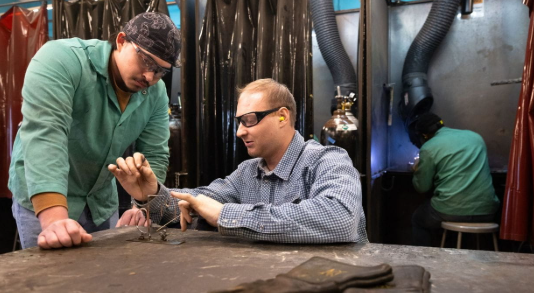
Manufacturing is one of those industries that often gets overlooked when people think about career options. Many imagine factory floors, machines, and repetitive tasks. But the reality is much broader. Manufacturing companies need engineers, designers, supervisors, technicians, accountants, IT specialists, quality experts, logistics professionals, and plenty of other skilled workers.
If you’re thinking about a career in this field, there are many ways to get started. The key is knowing where to look, understanding what employers want, and being willing to learn along the way. If you’re ready to หางาน, manufacturing could offer more opportunities than you might expect.
Understand the Different Areas of Manufacturing
Before applying for jobs, take some time to understand how the industry works. Manufacturing isn’t just one type of job. It includes several departments, and each one needs different skills.
Production is a major area, with roles such as production operator, production supervisor, and plant manager. Engineering is another important department, including mechanical, electrical, industrial, and manufacturing engineers.
Then there are quality control, maintenance, purchasing, supply chain, warehouse management, sales, finance, human resources, and information technology. Modern manufacturing companies also rely heavily on automation and data, creating opportunities for people with technical and digital skills.
Think about what you enjoy doing. Do you like solving technical problems? Maybe engineering or maintenance would suit you. Are you organized and good with people? Production planning or supply chain might be a better match.
Build Skills Employers Actually Need
A degree can certainly help, but it’s not the only thing manufacturing employers look for. Practical skills matter a lot.
Technical knowledge is valuable, especially for engineering and machine related positions. Depending on the role, employers may look for experience with CAD software, industrial equipment, robotics, automation systems, or production planning software.
Soft skills matter too. Communication, teamwork, problem solving, attention to detail, and reliability can make a big difference. Manufacturing often involves teams working together under deadlines, so being able to communicate clearly is important.
If you’re new to the industry, consider taking short courses or professional training. Even basic knowledge of workplace safety, quality management, computer applications, or technical tools can make your application stronger.
Use Online Job Platforms Wisely
The internet has made สมัครงาน much easier, but simply sending hundreds of applications isn’t always the best strategy.
Start by finding job websites that regularly list manufacturing positions. Search using specific job titles instead of only typing “manufacturing jobs.” Try terms such as production technician, quality inspector, manufacturing engineer, machine operator, warehouse coordinator, or maintenance technician.
Read the job description carefully before applying. Does your experience match what the company needs? Are you comfortable with the working hours and location? Checking these details first can save you a lot of time.
Keep your online professional profile updated as well. Recruiters often search for candidates online, so make sure your experience, skills, certifications, and career interests are easy to understand.
Don’t Ignore Company Websites
Some of the best manufacturing opportunities may not appear on large job boards. Many companies advertise openings directly through their own careers pages.
Make a list of manufacturers you’re interested in and visit their websites regularly. Look at companies involved in automotive production, electronics, food processing, pharmaceuticals, machinery, construction materials, textiles, and other industries.
You don’t have to wait until your dream position appears. If a company interests you, learn about its products and operations. This research can also help you prepare better answers when you eventually get an interview.
Consider Entry Level Positions
You don’t necessarily need years of experience to begin a manufacturing career. Entry level roles can be a practical way to enter the industry and learn how things work from the inside.
A junior technician, production assistant, quality assistant, warehouse worker, or machine operator position can give you valuable experience. Once you understand the production environment, you may have opportunities to move into more advanced positions.
Don’t think of an entry level job as the final destination. Think of it as a starting point.
Many experienced manufacturing professionals began in hands on positions before moving into supervisory, technical, or management roles.
Prepare a Strong Resume
Your resume should make it easy for an employer to see what you can offer. Keep it clear and focus on skills and experience related to the position.
If you’ve worked with machines, mention the equipment you’ve used. If you’ve improved a process, explain what you changed. If you’ve worked with quality inspections, safety procedures, inventory, or production targets, include those details.
Even if you don’t have manufacturing experience, highlight transferable skills. For example, experience in logistics, construction, automotive work, technical support, or warehouse operations may be useful for certain manufacturing positions.
Keep Learning and Stay Patient
Finding the right manufacturing job can take time. You might apply for several positions before receiving an interview, and that’s completely normal.
Use the process to improve. If you’re not getting responses, review your resume. If you’re reaching interviews but not receiving offers, work on your interview skills.
Most importantly, keep learning. Manufacturing continues to change as companies introduce automation, robotics, artificial intelligence, and smarter production systems. Workers who continue developing their skills can put themselves in a much stronger position.
Final Thoughts
Exploring manufacturing careers doesn’t have to be complicated. Start by identifying the type of work you enjoy, build relevant skills, search targeted job listings, and research companies that interest you.
Whether you’re a recent graduate, an experienced worker, or someone considering a career change, manufacturing can provide a wide range of paths. Take the first step, stay open to learning, and don’t be afraid to start small. Your next opportunity could be closer than you think.
