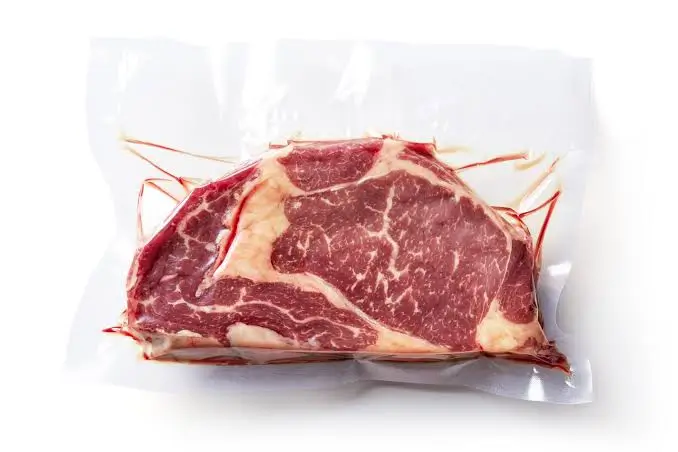
Rising living costs in Hong Kong have pushed many households to look more carefully at where their grocery budget goes each month, and frozen beef offers a genuinely practical way to keep quality protein on the table without the price volatility and waste that can come with fresh meat shopping.
Why Frozen Beef Can Be Kinder to Your Wallet
Fresh beef prices at wet markets and supermarkets can fluctuate noticeably based on daily supply, seasonal demand, and even weather conditions affecting import logistics, whereas frozen beef pricing tends to remain considerably more stable over time, making it easier for budget-conscious households to plan monthly food spending with greater predictability.
Reducing Waste Through Better Portion Control
One of the most overlooked ways frozen beef saves money involves waste reduction, since fresh meat that isn’t used within a day or two often ends up discarded, while frozen beef hong kong shoppers buy in bulk can be portioned and used gradually over weeks, meaning every dollar spent actually gets eaten rather than thrown away after spoiling in the refrigerator.
Buying in Bulk Without the Downsides
Bulk purchasing has traditionally come with the risk of food spoiling before it can all be used, but frozen beef removes this concern entirely, allowing households to take advantage of bulk pricing discounts or promotional sales without needing to worry about consuming everything within a narrow window before quality declines.
Comparing Cost Per Meal Rather Than Cost Per Purchase
Shoppers evaluating value should think in terms of cost per meal rather than simply comparing sticker prices between fresh and frozen options, since a larger frozen beef purchase that yields several meals over multiple weeks, with no waste, often works out considerably cheaper per serving than smaller, more frequent fresh purchases that may result in unused portions being discarded.
Taking Advantage of Promotional Pricing
Online frozen meat platforms frequently run promotional pricing on bulk packages, and because frozen beef stores well for extended periods, budget-conscious shoppers can stock up meaningfully during these promotions without the time pressure that would apply to perishable fresh meat purchased during a similar sale.
Planning Meals to Maximize Value
Getting the most value from your frozen beef budget also involves planning meals that make efficient use of whatever cuts you have on hand, stretching a single purchase across stir-fries, soups, and other dishes that allow smaller beef quantities to contribute flavor and protein across multiple meals rather than requiring a large single-dish portion each time.
See also: How Entrepreneurs Can Build Lasting Businesses
Balancing Cost Savings With Quality Expectations
While budget considerations matter, it’s worth remembering that the cheapest available option isn’t always the best value, since poor quality frozen beef that disappoints in texture or flavor may lead to waste of a different kind, making it worthwhile to balance price against genuine quality indicators when making your selections.
Conclusion
Frozen beef offers Hong Kong households a genuinely practical way to manage grocery spending more predictably while reducing the waste that often accompanies fresh meat purchasing. Thoughtful bulk buying, promotional timing, and meal planning help households get real value from their frozen beef budget without sacrificing meal quality.
FAQs
Q1: Does frozen beef actually cost less than fresh beef? Pricing varies, but frozen beef often provides better overall value once waste reduction and price stability are factored in, even when the per-unit price appears similar to fresh options.
Q2: Is it safe to buy frozen beef in bulk during sales? Yes, since frozen beef stores well for extended periods, bulk purchases during promotional pricing don’t carry the spoilage risk that would apply to a similar bulk purchase of fresh meat.
Q3: How can I get the most value from my frozen beef purchases? Plan meals that stretch smaller beef quantities across multiple dishes, like stir-fries and soups, rather than relying on large single-dish portions for every meal.
